A safari offers unparalleled opportunities to photograph Africa's incredible wildlife. Whether you're a beginner with a smartphone or an experienced photographer with professional gear, these tips will help you capture memories that last a lifetime.
Essential Camera Gear
A camera with a good zoom lens (at least 200mm, ideally 400mm+) is essential for wildlife photography. Bring a wide-angle lens for landscapes and dramatic sky shots. Pack plenty of memory cards and batteries - you'll shoot more than you expect. A beanbag or window mount provides stability for sharp shots from the vehicle.
Best Light for Wildlife Photography
The golden hours - shortly after sunrise and before sunset - offer the most beautiful light for photography. This soft, warm light adds depth and drama to your images. Midday light is harsh, so use this time for rest or focus on animals in shade. Overcast days provide even, diffused light that's great for avoiding harsh shadows.
Composition and Storytelling
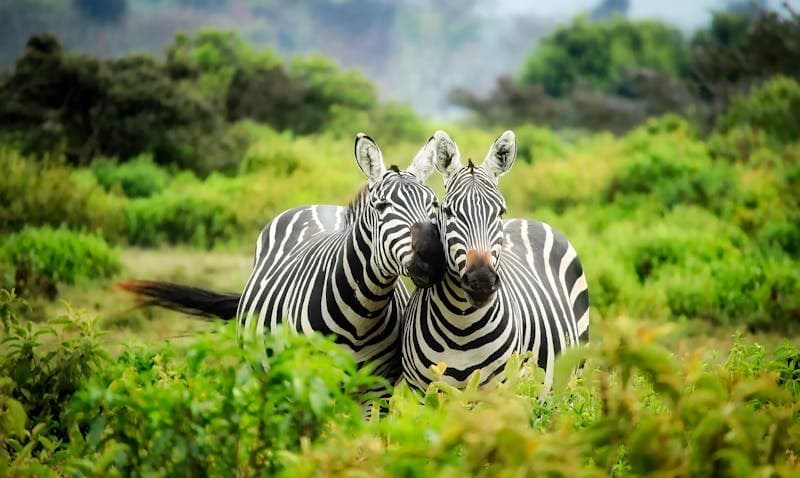
Focus on the animal's eyes - sharp eyes make or break a wildlife photo. Use the rule of thirds to create balanced compositions. Include the environment to tell a story about the animal's habitat. Capture behavior and interaction rather than just portraits. Patience is key - wait for the decisive moment.
Camera Settings and Techniques
Use continuous autofocus (AI Servo/AF-C) to track moving animals. A fast shutter speed (1/500s minimum for stationary subjects, 1/1000s+ for action) ensures sharp images. Shoot in RAW format for maximum editing flexibility. Consider using aperture priority mode and let the camera adjust shutter speed for changing conditions.
The best safari photos come from patience, preparation, and understanding animal behavior. Don't get so focused on photography that you forget to put down the camera and simply enjoy the incredible experience of being in the African wilderness.